On 28 October 2026 the Department for Environment, Food and Rural Affairs published guidance on funding the maintenance of sustainable drainage systems in new developments in England. It is aimed at developers and at the bodies that will maintain communal SuDS.
The guidance is intended to support a consistent and transparent approach to paying for long-term care. It explains how to agree responsibilities and how to calculate commuted sums. It also covers whole-life costs, phased planning, risk management and long-term monitoring. Defra says developers and maintaining bodies can adapt the approach to local circumstances and to individual sites.
Why maintenance funding matters
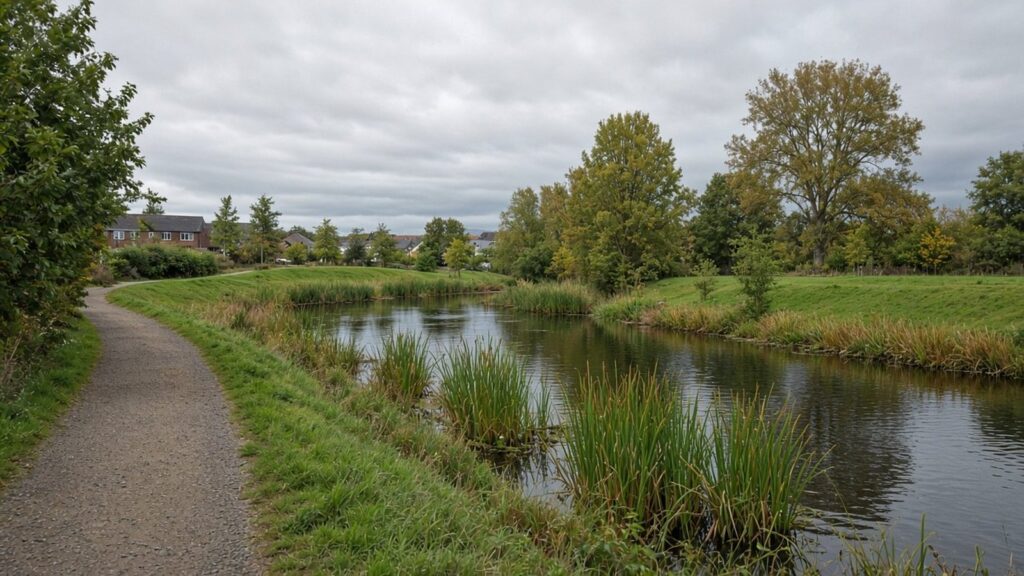
Policy in the National Planning Policy Framework already requires maintenance arrangements that last for the anticipated lifetime of the development. A commuted sum is one way to put money aside for that work so that the system keeps controlling runoff, protecting water quality and supporting amenity and wildlife.
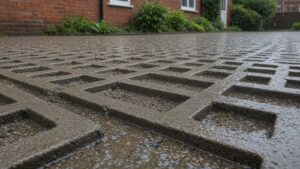
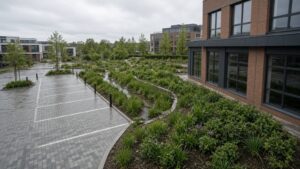
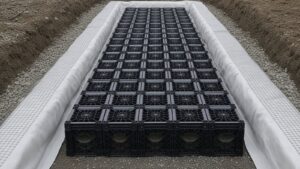
The benefits of SUDS depend on features being looked after, whether they are planted basins, swales or below-ground storage. If you are agreeing who will adopt a scheme, or how a commuted sum should be calculated, we can help you think through the design and the maintenance implications together.
Good SUDS design and installation makes later maintenance easier, with access, build quality and a realistic schedule agreed before construction starts. Get in touch if you would like to talk through a particular site.